Everything About Women’s T20 World Cup 2026: Full Guide
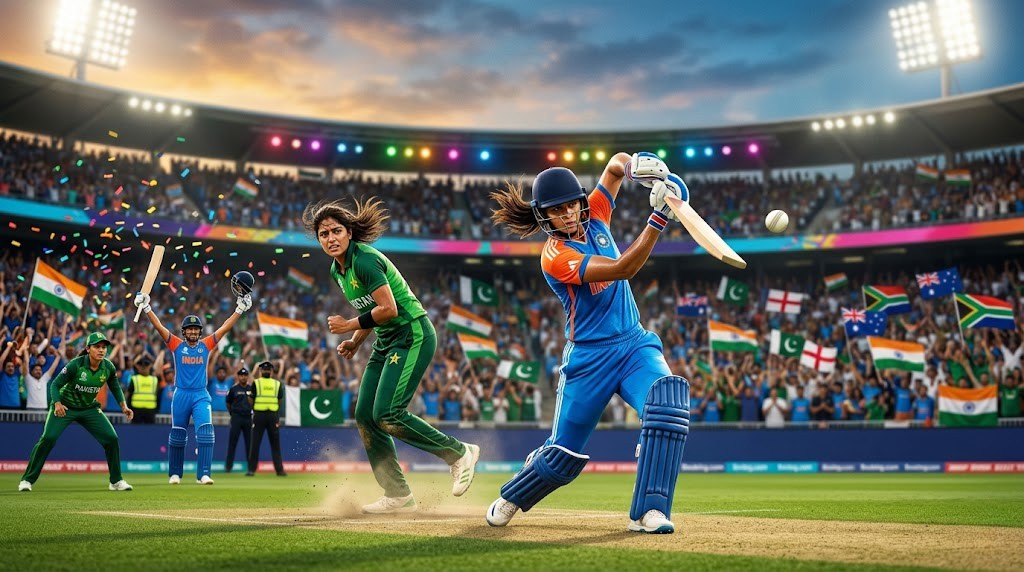
The landscape of women’s cricket is undergoing a seismic shift. From the sold-out final at the MCG in 2020 to the record-breaking attendance at the 2023 edition in South Africa, the game has proven its massive global appeal. Now, as we look toward the ICC Women’s T20 World Cup 2026, we are preparing for the largest, most historic edition of the tournament yet.
For fans around the world, the excitement is palpable. Women’s T20 cricket now offers consistent high-octane drama, athletic brilliance, and tactical complexity. The 2026 World Cup is poised to capture this momentum, bringing together the absolute best players on the planet for a summer festival of cricket that will define the sport for the next generation. As a journalist covering the beat, I can confidently state that the expectation around this event is unprecedented.
Women’s T20 World Cup 2026 Overview
The 2026 edition is officially the biggest in the tournament’s history, marked primarily by a highly anticipated expansion. Recognizing the growing depth in the global women’s game, the ICC increased the participant list to 12 nations, moving away from the 10-team format of previous cycles.
This expansion ensures more representation, tougher competition, and a greater number of high-stakes matches. Below is the verified high-level overview of the tournament.
- Host Countries: England and Wales
- Tournament Dates: June 12 to July 5, 2026
- Number of Teams: 12
- Total Matches: 33
- Format: Group Stage followed by Semi-Finals and Final
Hosting this event in England and Wales brings unique atmospheric and tactical dynamics. Known for their passionate cricketing public and historic grounds, these venues guarantee tremendous support. Tactically, the early summer dates mean pitches might offer some natural carry and movement before potentially becoming batting-friendly under warm skies, demanding high adaptability from visiting squads.
Host Venues: Iconic Arenas, Historic Backdrops
England and Wales offer some of the most iconic and distinct cricketing venues globally. The ICC has selected a mix of historic large stadiums and highly regarded county grounds to maximize atmosphere and provide excellent batting and bowling conditions. As an analyst who has covered many tours of the UK, the variety in pitches here is fascinating. Tactics must change from the rapid, true pace of Lord’s to the spin-friendly opportunities that often emerge at grounds like Bristol.
Lord’s (London)
The Home of Cricket will hold the ultimate honor: hosting the final. Having hosted the iconic 2017 Women’s World Cup (ODI) Final, Lord’s is synonymous with historic moments in the women’s game. The atmosphere will be electric, demanding a high level of big-match temperament from the finalists.
Edgbaston (Birmingham)
Known for its lively and boisterous crowd, Edgbaston is a fantastic venue for T20 cricket. The atmosphere often acts as a 12th player, pushing teams through tough moments. It was the centerpiece venue for the 2022 Commonwealth Games (women’s cricket), ensuring the facility is optimized for top-level women’s events.
The Oval (London)
One of the oldest cricket grounds in the world, The Oval typically offers true bounce and pace, facilitating high-scoring T20 matches. Its location makes it incredibly accessible, promising strong attendance for key matches.
Old Trafford (Manchester)
A historic venue with modern facilities, Old Trafford is accustomed to big international events. It usually provides very competitive pitches, offering something for aggressive batsmen and intelligent bowlers.
Headingley (Leeds)
A ground with immense heritage, Headingley can offer swing or spin depending on conditions. It’s a ground where tactical adjustments are crucial, making it a fitting venue for significant group clashes.
Hampshire Bowl (Southampton)
This superb modern, all-in-one facility (hotel onsite) offers a consistent pitch and big boundaries. Its design minimizes wind issues and provides an excellent all-around experience for teams and fans.
Bristol County Ground (Bristol)
Bristol has emerged as a preferred venue for women’s cricket in England. The boundaries are manageable, and pitches often have a reputation for providing good contests, especially sometimes aiding spin, making it a vital ground in this expanded tournament.
India’s Schedule and Major Matches
India enters this tournament as a genuine world power in women’s cricket. However, their Group Stage draw requires them to navigate Group A—the toughest pool possible. India’s success hinges on adaptability in early English conditions and winning critical pressure moments. Based on current team structures, the India-Australia and India-Pakistan games are not just rivalries; they are essentially qualification deciders.
Crucial Qualification Scenarios for India
- India vs Pakistan: Beyond the immense geopolitical context and history, this is a must-win point-collecting exercise for India in Group A. They must establish dominance early in the group.
- India vs Australia: Australia remains the standard-setter. India must beat them to secure a high-placed finish and avoid a potential semifinal matchup against Group B’s top seed. Tactically, India’s spinners need to restrict Australia’s explosive batting, while Mandhana and Kaur must play defining knocks.
- India vs South Africa: South Africa proved in 2023 they can compete on the biggest stage. This match requires India to handle a strong pace battery, which will be testing in early English summer conditions. It is not a game India can take lightly.
To qualify, India essentially needs to win at least four of their five group games. A single loss, especially to a major rival or Bangladesh, makes qualification reliant on net run rate and other results—an unstable position India desperately wants to avoid.
Teams That Can Win the Tournament: Analyst Insights
Predicting a winner for this 2026 edition is complex because the professional gap is closing. Any of the top four or five sides can beat each other on their day. Here is my expert analysis of the leading title contenders:
Australia
- Strengths: The unmatched winning mentality and deep bench strength. Almost every player can win a game single-handedly. Their tactical flexibility is elite.
- Chances: Favorites. Despite a shifting cycle, they remain the team everyone else must beat.
India
- Strengths: Explosive top-order batting and a varied, world-class spin attack. Key players like Mandhana and Kaur have significant experience in UK conditions through The Hundred.
- Chances: Very High. If their core performs under pressure, they have the firepower to win the final.
England (Hosts)
- Strengths: Home conditions and an ultra-aggressive “Bazball-esque” approach to T20 batting. Led by Nat Sciver-Brunt, they have immense power.
- Chances: High. If they harness the home crowd and their aggressive style pays off, they will be formidable.
New Zealand
- Strengths: Entering as the defending champions of this specific cycle (contextual note). Tactically astute with consistent big-game players like Amelia Kerr and Sophie Devine.
- Chances: Contenders. They know exactly how to win an ICC tournament and are rarely flustered.
South Africa
- Strengths: Possess perhaps the best pace bowling attack in women’s cricket and athletic, high-quality fielders. They proved their big-match ability by reaching the 2023 final.
- Chances: Strong Outsiders. They require their batting lineup to match their exceptional bowling consistency.
Players to Watch: Potential Influencers
These established superstars are in peak condition and have the talent to define the 2026 World Cup.
- Harmanpreet Kaur (India): India’s captain and emotional core. Known for defining, tournament-turning centuries. Her experience and aggression are vital for India’s middle order.
- Smriti Mandhana (India): Elegance combined with power. India’s success heavily depends on Mandhana giving them rapid, dominant starts at the top.
- Ellyse Perry (Australia): An all-around great of the game. Her experience, bowling control, and clutch batting continue to make her one of the most valuable assets globally.
- Amelia Kerr (New Zealand): Perhaps the most complete all-rounder in modern women’s cricket. Her masterful leg-spin and crucial middle-order batting define NZ’s tactical structure.
- Nat Sciver-Brunt (England): Arguably the best batting all-rounder in the world. Her power and ability to play unique strokes make her unstoppable when set. She is England’s match-winner.
- Laura Wolvaardt (South Africa): The embodiment of South Africa’s gritty batting. When she stabilizes an innings with her elegant yet aggressive stroke play, it often allows SA to post winning totals.
Biggest Storylines of the 2026 Event
This tournament is defined by unique narratives that extend beyond just the boundaries. Having followed this sport closely, these are the key talking points:
- Expansion to 12 Teams: This is the most significant development. The move to 12 teams is a definitive acknowledgement of the rising depth in the sport, validating the ICC’s long-term global development goals.
- Netherlands’ First Appearance: As the first expansion-slot qualifier, the Netherlands making their debut is a momentous story for European cricket.
- India’s Title Hopes: After numerous heartbreaking close-finishes in ICC finals, India is desperate to bridge that final gap and win a senior ICC trophy. The pressure is immense.
- The Hundred Connection: Many international players have extensive experience on these specific English grounds through ‘The Hundred.’ This familiarity might reduce traditional host advantages.
- Expectations of Record Attendance: Following the huge numbers in South Africa and Australia, there are massive expectations for sell-out crowds, especially in London and Birmingham, solidifying the economic force of women’s cricket.
Frequently Asked Questions (FAQs)
Q.1 When does the Women’s T20 World Cup 2026 start?
The tournament officially begins with the opening match on June 12, 2026, in England.
Q.2 How many teams are participating?
The 2026 edition is the largest ever, expanded to 12 participating nations.
Q.3 Where is the final being played?
The final will be hosted at the iconic Lord’s cricket ground in London, often called the “Home of Cricket.”
Q.4 When is the final?
The final of the Women’s T20 World Cup 2026 is scheduled for Sunday, July 5, 2026.
Q.5 When is India vs Pakistan?
The exact date for this marquee clash is TBA, but it will be a highlighted matchup in the middle of the Group Stage in June.
Q.6 Where can fans watch the tournament live in India?
In India, the tournament will be live on the Star Sports Network (TV) and streamed digitally on JioHotstar.
Conclusion
The ICC Women’s T20 World Cup 2026 in England and Wales is set to be a watershed moment for the sport. With an expanded 12-team format, legendary venues, and a global broadcast footprint, it will serve as the biggest celebration of women’s cricket history.
We can expect incredible athletic brilliance, strategic innovation, and intense rivalry. Beyond the boundaries, the economic and social impact will be profound, inspiring the next generation and cementing the professional and commercial sustainability of the women’s game. Mark your calendars for June 12, 2026; it is going to be a tournament to remember.