F1 Schedule 2026: Complete Formula 1 Calendar & Race Dates
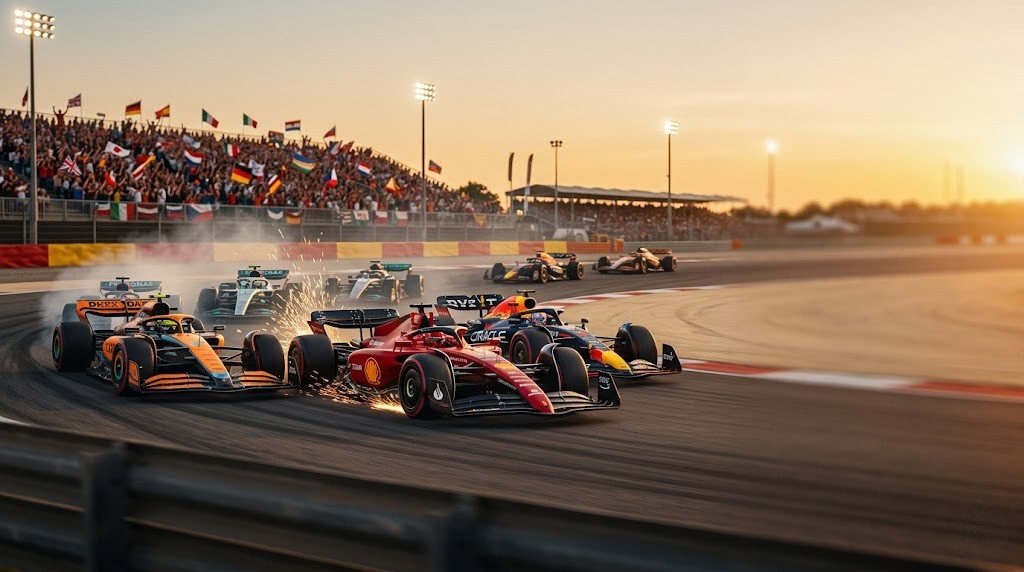
The Formula 1 calendar is the pulse of the motorsport world. It dictates the rhythm of the season, the logistical challenges for the teams, and the narrative arcs that define a World Championship. As we look at the 2026 season, we are entering a transformative era for the sport. With 24 grueling Grands Prix spanning five continents, the 2026 campaign is designed to test the limits of human endurance and technical innovation.
The 2026 season represents more than just a list of races; it marks the introduction of revolutionary technical regulations and the full adoption of 100% sustainable fuels. As teams like Ferrari, Mercedes, and Red Bull navigate these changes, the calendar itself has been refined to prioritize geographical flow and sustainability, aiming to reduce the carbon footprint of the traveling circus. Whether it is the classic prestige of Monaco or the debut of the high-speed streets of Madrid, the 2026 F1 schedule is poised to be an unforgettable chapter in racing history.
Formula 1 2026 Season Overview
The 2026 Formula 1 season remains a mammoth 24-round challenge, matching the record for the most races in a single year. The season kicks off on March 6–8 in Melbourne, Australia, and reaches its conclusion under the iconic lights of the Yas Marina Circuit in Abu Dhabi on December 4–6.
One of the most significant shifts this year is the optimization of the schedule to favor logistical efficiency. By grouping races regionally, Formula 1 has successfully reduced unnecessary travel, with notable changes such as the Canadian Grand Prix moving to an earlier slot in May, immediately following the Miami Grand Prix. This change streamlines the North American leg of the championship. Additionally, Madrid makes its highly anticipated debut on the calendar in September, solidifying Spain’s presence as a premier host nation.
Complete F1 Schedule 2026
| Round | Date | Grand Prix | Circuit |
| 1 | March 6–8 | Australian GP | Melbourne |
| 2 | March 13–15 | Chinese GP | Shanghai |
| 3 | March 27–29 | Japanese GP | Suzuka |
| 4 | April 10–12 | Bahrain GP | Sakhir |
| 5 | April 17–19 | Saudi Arabian GP | Jeddah |
| 6 | May 1–3 | Miami GP | Miami |
| 7 | May 22–24 | Canadian GP | Montreal |
| 8 | June 5–7 | Monaco GP | Monte Carlo |
| 9 | June 12–14 | Spanish GP | Barcelona |
| 10 | June 26–28 | Austrian GP | Spielberg |
| 11 | July 3–5 | British GP | Silverstone |
| 12 | July 17–19 | Belgian GP | Spa-Francorchamps |
| 13 | July 24–26 | Hungarian GP | Budapest |
| 14 | August 21–23 | Dutch GP | Zandvoort |
| 15 | September 4–6 | Italian GP | Monza |
| 16 | September 11–13 | Spanish GP (Madrid) | Madrid |
| 17 | September 24–26 | Azerbaijan GP | Baku |
| 18 | October 9–11 | Singapore GP | Marina Bay |
| 19 | October 23–25 | United States GP | Austin |
| 20 | Oct 30 – Nov 1 | Mexico City GP | Mexico City |
| 21 | November 6–8 | São Paulo GP | São Paulo |
| 22 | November 19–21 | Las Vegas GP | Las Vegas |
| 23 | November 27–29 | Qatar GP | Lusail |
| 24 | December 4–6 | Abu Dhabi GP | Yas Island |
Key Grand Prix Weekends to Watch
Monaco Grand Prix
The jewel in the crown of F1. Monaco remains the ultimate test of precision. In 2026, the tight, twisty streets of Monte Carlo continue to be the yardstick by which a driver’s bravery is measured.
British Grand Prix
Silverstone is the spiritual home of the sport. Known for its high-speed corners like Maggotts and Becketts, the British Grand Prix always provides a fantastic atmosphere and a true test of aerodynamic efficiency.
Italian Grand Prix
Monza, the “Temple of Speed,” is essential for its history and the unparalleled passion of the Tifosi. With its long straights and historic layout, it is where the most powerful engines come to life.
Japanese Grand Prix
Suzuka is arguably the most respected track among the drivers. Its figure-eight layout is technically demanding, making it a pivotal weekend for car balance and driver skill.
Singapore Grand Prix
The original night race remains a brutal physical challenge due to the intense humidity. The Marina Bay circuit is narrow, unforgiving, and offers one of the most spectacular visual backdrops in the sport.
Las Vegas Grand Prix
A high-stakes spectacle on the neon-lit Strip. Las Vegas represents the modern era of F1, combining grand entertainment with a high-speed street circuit that creates unique tire-management challenges.
Abu Dhabi Grand Prix
As the season finale, the Yas Marina Circuit provides the dramatic stage for championship decisions. Whether it’s a title showdown or a farewell to legendary drivers, the sunset start always adds a layer of intensity.
Sprint Race Weekends Explained
Sprint weekends bring a high-octane change to the traditional format, featuring a shorter, intense race on Saturday. This format rewards aggressive driving and tactical risk-taking, as drivers have less time to adjust their setups during the weekend.
In 2026, six rounds feature the Sprint format:
- China (March 13–15)
- Miami (May 1–3)
- Canada (May 22–24)
- Great Britain (July 3–5)
- Netherlands (August 21–23)
- Singapore (October 9–11)
Major Calendar Changes
The 2026 calendar reflects a strategic push by the FIA and Formula 1 to balance global growth with environmental responsibility. A major highlight is the improved “geographical flow,” which reduces the distance equipment travels between rounds. The Canadian Grand Prix has been moved to align with the North American leg, and the consolidation of European races during the summer creates a more efficient travel block. Additionally, the introduction of Madrid adds a new, vibrant dimension to the European schedule, showcasing F1’s ability to adapt and expand into new urban markets while retiring older, less efficient hosting models.
Teams and Drivers to Watch
The 2026 season is defined by the “new era” of regulations. McLaren enters the season with momentum, looking to build on their technical prowess. Red Bull Racing remains the benchmark for operational excellence, while Ferrari continues its quest to regain dominance, buoyed by their historic prestige. Mercedes is in a phase of aggressive evolution, aiming to reclaim the top spot, and Aston Martin continues its ambitious infrastructure project. Keep an eye on emerging stars like Andrea Kimi Antonelli, who has already made headlines in early-season action, as the grid undergoes a generational shift in talent.
Expert Analysis
The championship battle in 2026 will likely be decided during the mid-season European stretch. The density of races in June and July forces teams to bring rapid, effective upgrades, and any reliability issues during these back-to-back weekends can be catastrophic for a title bid.
The final triple-header—comprising the United States, Mexico, and Brazil—is often the “pressure cooker” of the season. Teams that arrive in Austin with a well-sorted car that performs across different altitudes and track surfaces hold a significant advantage. Ultimately, success in 2026 will depend on adaptability. The new 100% sustainable fuel and aerodynamic changes mean that the “best” car in Australia might not be the “best” car by the time the series reaches the final flyaway races.
Key Facts Table
| Metric | Detail |
| Total Races | 24 |
| Sprint Weekends | 6 |
| Season Opener | Australian GP (March 6-8) |
| Season Finale | Abu Dhabi GP (Dec 4-6) |
| Defending Champion | Max Verstappen |
Frequently Asked Questions
Q.1 How many races are there in the 2026 Formula 1 season?
There are 24 races on the 2026 calendar.
Q.2 Which race opens the season?
The season kicks off with the Australian Grand Prix at the Albert Park Circuit.
Q.3 Which race closes the season?
The season concludes in Abu Dhabi at the Yas Marina Circuit.
Q.4 What are Sprint weekends?
Sprint weekends feature an additional, shorter race on Saturday, awarding extra points and offering a different format to the main Sunday Grand Prix.
Q.5 Is Madrid a new race?
Yes, 2026 marks the debut of the Madrid Grand Prix on the Formula 1 calendar.
Q.6 Are there any triple-headers?
Yes, the 2026 calendar includes strategic triple-headers to manage travel efficiency and logistics for the teams.
Conclusion
The 2026 Formula 1 season is shaping up to be a defining year. With a 24-race calendar that balances historic venues like Silverstone and Monza with modern spectacles like Las Vegas and Madrid, the sport is evolving in real-time. As the teams master the next generation of cars and transition to sustainable fuels, fans can expect the most competitive and technologically advanced season in the sport’s history. Mark your calendars; the journey from Melbourne to Abu Dhabi is not to be missed.